 English
- English
-
 Español
 -
 Português
 -
 русский
 -
 Français
 -
 日本語
日本語 -
 Deutsch
 -
 tiếng Việt
 -
 Italiano
 -
 Nederlands
 -
 ภาษาไทย
 -
 Polski
 -
 한국어
한국어 -
 Svenska
 -
 magyar
 -
 Malay
Malay -
 বাংলা ভাষার
 -
 Dansk
Dansk -
 Suomi
Suomi -
 हिन्दी
 -
 Pilipino
 -
 Türkçe
 -
 Gaeilge
 -
 العربية
 -
 Indonesia
 -
 Norsk
Norsk -
 تمل
تمل -
 český
český -
 ελληνικά
 -
 український
 -
 Javanese
 -
 فارسی
فارسی -
 தமிழ்
தமிழ் -
 తెలుగు
 -
 नेपाली
 -
 Burmese
 -
 български
 -
 ລາວ
ລາວ -
 Latine
 -
 Қазақша
 -
 Euskal
 -
 Azərbaycan
 -
 Slovenský jazyk
 -
 Македонски
 -
 Lietuvos
 -
 Eesti Keel
 -
 Română
 -
 Slovenski
 -
 मराठी
मराठी -
 Srpski језик


The Baby Trike Dilemma: When is Your Little One Actually Ready?
So, you're eyeing up that adorable baby trike. It's sitting there in the store or popping up on your feed, all bright colors and happy kids. Your heart does a little “aww,” and then your brain chimes in with the practical question: Wait, is my baby actually old enough for this?
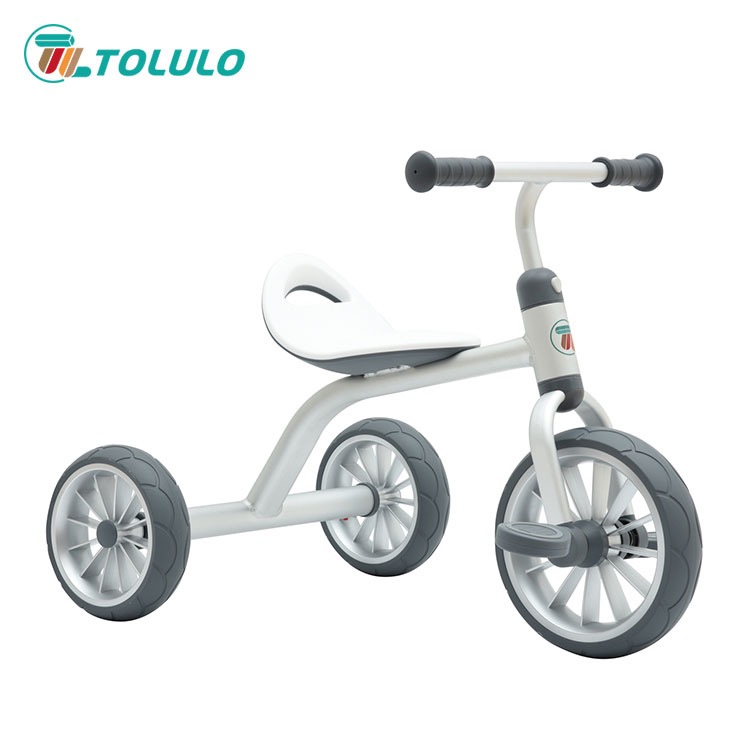
Let's cut through the marketing fluff. The age range on the box—something like “12 months to 3 years”—is a guideline, not a gospel. As a parent who’s been through the wobbly-wheel phase (twice), the real answer isn't about a birthday; it's about a set of skills. Picking the right trike isn't just a purchase; it's about matching a tool to your child's current stage of development.
Forget the Months, Watch for These Milestones Instead
Think of a trike less as a toy and more as a developmental gym on wheels. Your child needs to be physically ready to benefit from it, not just sit there like a confused passenger.
Stage 1: The Buckled-In Co-Pilot (Usually ~9-18 months)
This is for your cruiser, not your crawler. At this stage, we're talking about a push trike or a trike with a full parental handle and safety harness. Your child is the VIP passenger.
What readiness looks like: They can sit upright unassisted with solid head and neck control. They’re curious about the world, happy in the stroller but maybe wanting a better view. They might not even touch the pedals yet—their feet often rest on a fixed bar or platform.
The Parent's Role: You are the engine, the steering, and the brakes. You’re giving them the sensation of movement and exploration safely. Look for a trike with a lockable front wheel (so you can steer from behind without fighting them) and a handle that lets you push and lift the front wheel for curbs. This phase is all about shared joy, not independent riding.
Stage 2: The Emerging Explorer (Usually ~18-30 months)
Here’s where the magic starts. You’ll see the transition from passenger to participant. This is the sweet spot for most convertible trikes.
What readiness looks like: They’ve mastered sitting. Now, they start to understand cause and effect. They'll try to spin the pedals with their hands, then graduate to pushing them with their feet. They might not have the coordination to pedal forward yet, but they’ll “walk” the trike along with their feet on the ground—this is totally normal and great for building leg strength! They begin to grasp steering, often turning just for the fun of it.
The Parent's Role: You start as the pilot but become the spotter. You can use the parent handle for longer walks but unlock the front wheel so they can experiment with steering. You’ll kneel beside them, showing them how to push the pedals. Your job is to celebrate the clumsy attempts and keep them from steering into the rose bushes.
Stage 3: The Independent Pedaler (Usually ~2.5 - 4 years+)
True independent trike riding! The training wheels are off (figuratively speaking).
What readiness looks like: They have the leg strength, coordination, and cognitive understanding to pedal forward and steer at the same time. This is a huge brain-body connection. They can stop themselves (with their feet or a hand brake if the trike has one), navigate gentle slopes, and understand basic safety commands like “stop at the corner.”
The Parent's Role: Cheerleader and safety officer. The parent handle might come off entirely. You’re now walking or jogging beside them, setting boundaries, and beaming with pride. This is the stage where that little trike becomes a vessel for their first taste of real freedom.
The Non-Negotiables (Aka, Safety Stuff That’s Boring But Critical)
The Helmet Rule: No exceptions. From the very first push as a passenger. Make it as non-negotiable as the car seat.
Harness & Seatbelt: For Stage 1 riders, a 5-point harness is essential. It keeps them secure and comfortable.
Stability Check: A good trike has a low center of gravity and a wide wheelbase. It shouldn’t tip easily if they lean into a turn.
Foot Placement: Ensure their feet can comfortably reach the pedals or the footrest without their legs being overly scrunched or stretched.
The Bottom Line?
Don't rush it. A trike that’s too advanced is frustrating and collects dust in the garage. A trike that matches their stage is a catalyst for growth and confidence.
Start by asking: Is my child a passenger, an explorer, or a pilot right now? Choose the trike that fits that reality, not the age on the box. The best trike is the one that meets them where they are and gently nudges them toward what they can become. And trust me, the day you take that parent handle off and watch them pedal away on their own power? You’ll need sunglasses to hide the happy-parent tears.
What was your little one's first trike moment? Share your story in the comments below—let's celebrate those wobbly wins together.
Send Inquiry


X
We use cookies to offer you a better browsing experience, analyze site traffic and personalize content. By using this site, you agree to our use of cookies.
Privacy Policy